Resolve Tenant Evictions With Legal Precision
Fast, legal, and done right with two decades of focused landlord representation.
Quick Evicts, Inc. provides administrative eviction coordination services. Legal representation, when required, is handled by a licensed New York attorney under a attorney-client agreement.
Navigate Eviction Cases With Focused Support
Landlord representation built on documented steps and local court familiarity
Quick Evicts, Inc works exclusively with landlords managing tenant eviction matters across Brooklyn and the surrounding metro areas. When you call, you speak directly with the owner of the company—someone with twenty-five years in the industry and a practical understanding of what causes delays, errors, and unnecessary expense. Locally owned, family operated and built around a straightforward philosophy: handle each case with attention to procedure and maintain open lines throughout the process.
You'll know what's happening at each stage, from the initial notice through filing, court appearances, and marshal coordination. The work progresses in clear intervals, and you're billed as it moves forward rather than paying a large sum upfront. New York housing courts have their own pace and preferences, and familiarity with those details helps keep cases on track without guesswork or surprises along the way.
Quick Evicts, Inc emphasizes speed where the law allows it, compliance with current statutes, and realistic timelines based on the specifics of your situation. Whether it's a non-payment issue, a holdover dispute, or a commercial lease termination, the approach remains grounded in process-driven handling and practical landlord support. Reach out to discuss your eviction matter and learn what comes next.
What We Do:
• Coordinate required eviction notices
• Facilitate court filing procedures
• Schedule licensed process servers
• Manage procedural timelines
• Coordinate transition to licensed attorney when required
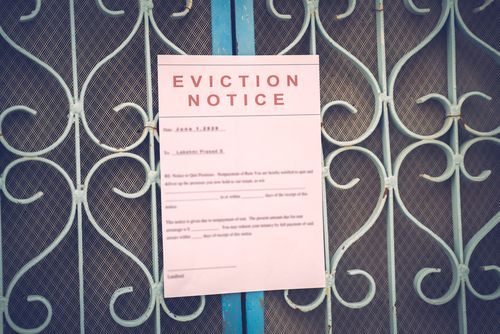
Non-Payment Evictions
Structured filing and follow-through designed to minimize common holdups in housing court proceedings.

Commercial Eviction Services
Focused representation for business property owners navigating complex lease termination and holdover matters.


Our Service Area
- Brooklyn, NY
- Queens, NY
- Bronx, NY
- Manhattan, NY
- Staten Island, NY
Speak Directly With Experienced Ownership
Pay as work progresses and receive guidance from someone who knows the process inside out.

Understanding what happens from notice to enforcement helps reduce confusion and keeps you prepared for each required action. Quick Evicts, Inc walks you through filing requirements, court scheduling, and documentation so there's no ambiguity about what's needed or when. You'll receive updates as the case progresses, and questions are answered by someone who knows the system well enough to anticipate common obstacles before they become problems.
Every eviction follows a legal sequence, and missteps in paperwork or timing can result in dismissals or extensions you'd rather avoid. The workflow is designed to catch errors early, ensure proper service, and coordinate with marshals once judgments are in place. You're kept in the loop without having to chase down information or decode legal jargon on your own.
Landlords working with Quick Evicts, Inc benefit from an approach that balances urgency with accuracy:
How Eviction Cases Move Forward
case management from initial coordination through marshal enforcement and final property turnover
Step-by-step
to ownership with decades of hands-on eviction experience and local housing court knowledge
Direct access
that aligns with work completion rather than requiring full fees before the process begins
Payment structure
in Brooklyn's housing court procedures and built to reduce filing delays and procedural missteps
Representation rooted
If you're a landlord in Brooklyn dealing with a tenant who won't vacate, call Quick Evicts, Inc to start the conversation and review your options.
REQUEST INFORMATION
Contact Us
We will get back to you as soon as possible.
Please try again later.
Dependable Representation Rooted in Local Practice
Quick Evicts, Inc has served Brooklyn landlords for two decades with the same commitment to process integrity and owner accountability. The family owned and focused on evictions exclusively, which means the knowledge base runs deep and the attention stays consistent. When you work with a practice that handles only landlord matters, you're working with someone who understands the stakes and the system equally well.
Reliability in this field means showing up prepared, following through on deadlines, and being reachable when questions arise. It also means knowing when to push forward and when patience serves the case better. Quick Evicts, Inc brings that balance to every filing, hearing, and enforcement action, ensuring landlords feel confident.
For landlord guidance you can count on in New York, contact Quick Evicts, Inc and connect directly with the owner to discuss your situation.
Phone
Location
Brooklyn, NY
11207
Hours
- Mon - Fri
- -
- Saturday
- -
- Sunday
- Closed